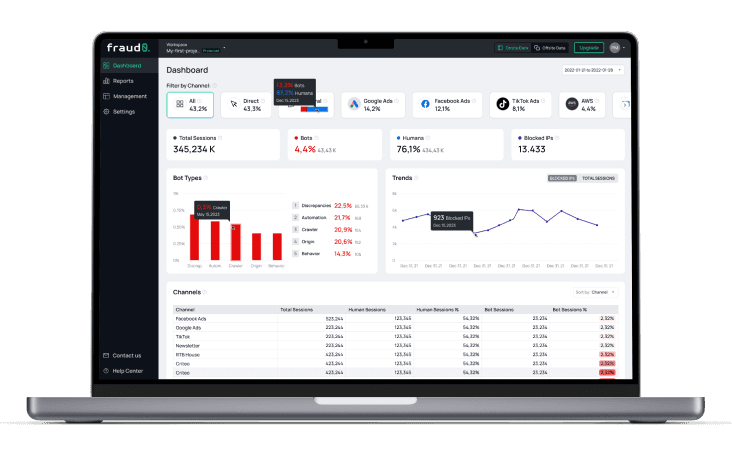
Most wasted ad budget never announces itself. The clicks look real, the dashboard looks healthy, and the money's already gone. Uriach, a European leader in natural consumer healthcare, decided to find out what was actually behind its paid traffic, and what it could get back. Working with fraud0, the team ran both arcs of ad spend recovery at once, the two arcs of recover wasted ad budget: clean up the campaigns going forward, and pursue ad refunds for invalid activity already paid for. fraud0 analyzed more than 2.5 million sessions, removed 193,000 invalid ad clicks from targeting, and Uriach secured €24.9K in Google Ads refunds in just three months (fraud0, Uriach case study). Here's how one brand responded.
Key Takeaways
fraud0 analyzed 2.5M+ sessions for Uriach to separate real customers from bots, removed 193K invalid ad clicks from targeting, and protected budgets across Google and Meta (fraud0, Uriach case study).
Uriach secured €24.9K in Google Ads refunds in just three months for invalid activity already paid for. This is a real result for one brand, not a guarantee for yours.
Refund outcomes depend on the invalid activity actually detected and on each platform's review process. Refunds typically return as account credit toward future spend, not a cash payout.
The problem is common: fraud0's Unmasking the Shadows 2025 found 21.3% of onsite traffic invalid (search-engine crawlers excluded), rising to 32.0% per individual user.
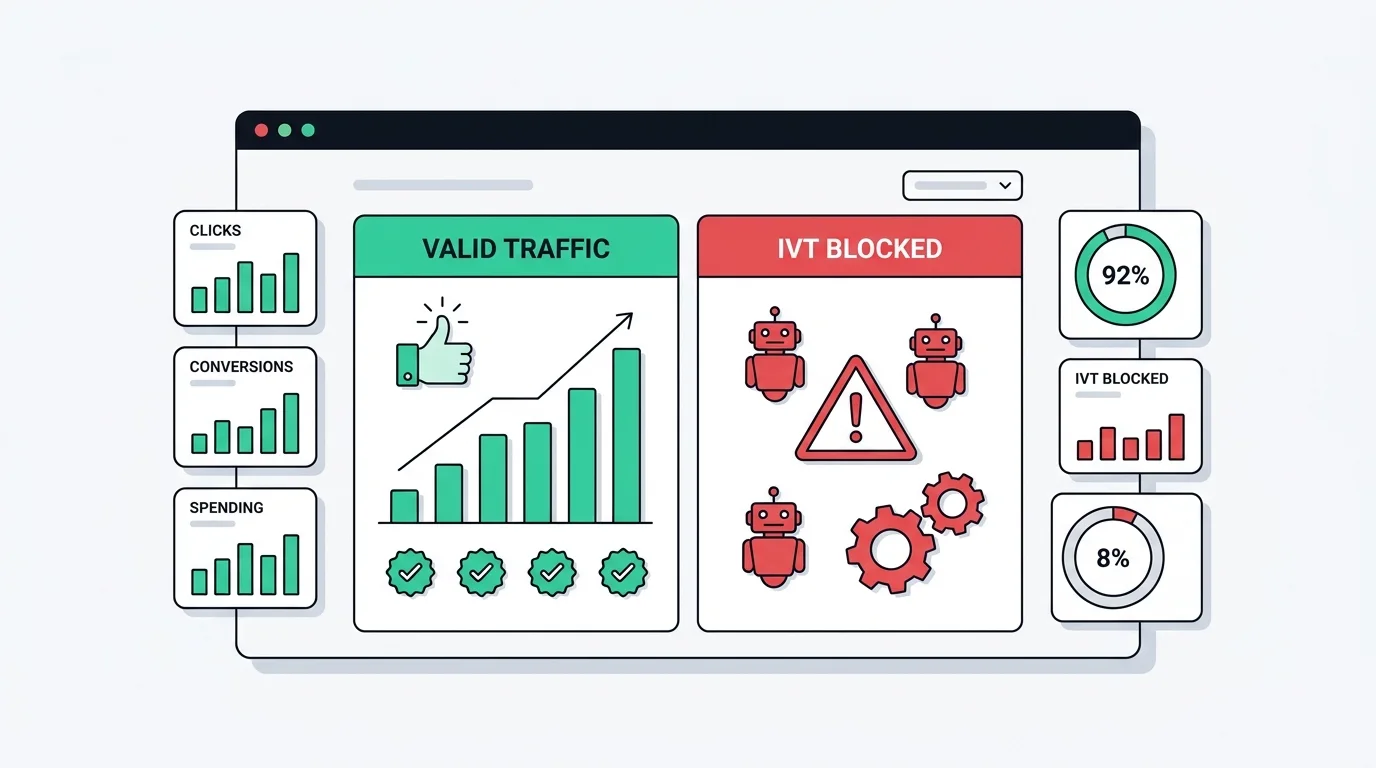
To keep the terms straight before we walk through the story, here are the four that matter most. Invalid traffic (IVT) is any ad interaction or session that does not come from a genuine, interested human, including bots, automated scripts, and fraudulent or accidental activity. Ad fraud is the deliberate generation of that invalid traffic to steal advertising budget, as opposed to accidental or non-malicious invalid activity. Fake clicks are individual ad clicks produced by bots or bad actors rather than real prospects, and they are one visible symptom of the wider IVT problem. Ad spend recovery is the paired discipline of cutting future waste through detection and pursuing evidence-based refunds for invalid activity you have already paid for. With those defined, here is how the two arcs played out for one brand.
Who is Uriach and what was the challenge?
Uriach is a European leader in natural consumer healthcare, founded in 1838 with a nearly 190-year legacy. The brand drives double-digit growth, is a Certified B Corp in 11 countries, and is expanding internationally. As it scaled abroad, invalid traffic and AI-fueled fake clicks began threatening campaign performance and data reliability.
That's the uncomfortable backdrop to most paid programs. Uriach faced high click costs, which made every fake visit an expensive waste. Invalid traffic distorted its analytics and the data foundation behind its decisions. Bots and fake users slipped past standard ad-platform filters, padding volume, diluting data, and quietly draining spend.
Uriach wanted clarity. Not a vague sense that "some" traffic might be off, but a truthful view of what was real and what wasn't, plus a way to act on it.
Uriach, a European leader in natural consumer healthcare founded in 1838, partnered with fraud0 to address invalid traffic and AI-fueled fake clicks across its paid campaigns during international expansion. fraud0 analyzed more than 2.5 million sessions to separate real customers from bots and fake users that slipped past standard ad-platform filters.
In our experience working with advertisers, the hardest part is rarely the technology. It's the moment a team realizes their trusted dashboard has been quietly counting traffic that was never going to convert. When we analyzed Uriach's sessions, that realization is what turned invalid traffic from an abstract topic into a concrete budget decision.
Why couldn't standard dashboards catch the problem?
Platform dashboards and analytics tools weren't built to expose invalid traffic at the level advertisers need. They report what reached the campaign, not always what was real. fraud0's Unmasking the Shadows 2025 found invalid users averaged just 1.2 page views and 26-second sessions, versus 181 seconds overall, so they blend in well enough to pass a quick glance.
That's the core issue Uriach faced. The numbers in the reports looked fine, which is exactly why the waste stayed hidden. Invalid activity often mimics real behavior closely enough to slip through standard reporting and inflate the metrics teams rely on to make decisions.
There's also a channel dimension. fraud0's 2025 data showed invalid traffic ranging from 20.6% on Paid Social to 7.0% on Paid Search, so where you spend changes your exposure. A clean-looking blended number can hide a much higher rate on individual channels. Consider a brand that runs heavily on Paid Social, for example: its true exposure can sit near the top of that range even when its blended dashboard rate looks tame.
Here's the part most teams miss: a single aggregate fraud rate understates real exposure, because invalid users come back. fraud0 found 5.19% of bot users drove 17.67% of bot sessions, and on Paid Social, 71.6% of bot sessions were repeat bots. So the same offenders hit your campaigns again and again. An average per-session rate quietly smooths that concentration away.
Standard ad-platform dashboards struggle to surface invalid traffic because it mimics real users. fraud0's Unmasking the Shadows 2025 report found invalid users averaged 1.2 page views and 26-second sessions versus 181 seconds overall, and that 5.19% of bot users drove 17.67% of bot sessions, so the same offenders return repeatedly.
The ad-spend refund guide covers how this hidden activity becomes documentable evidence.
How did fraud0 clean up Uriach's campaigns?
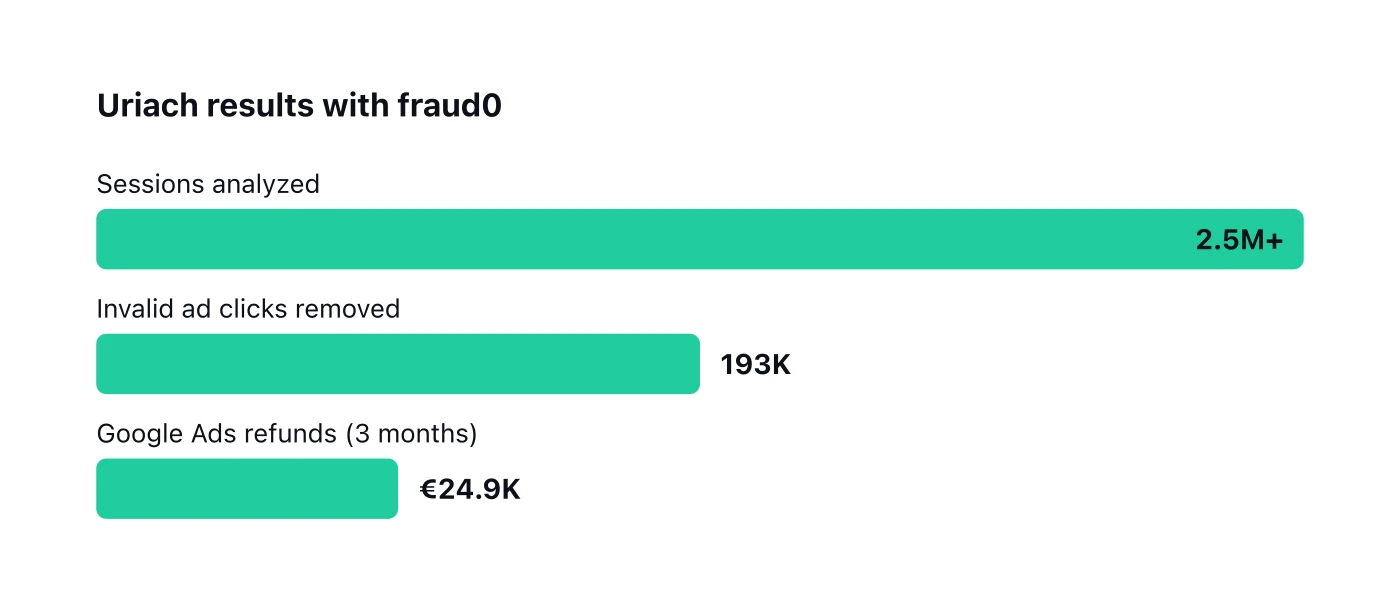
The first arc was mitigation: make invalid traffic visible, then reduce how much Uriach paid for it going forward. We analyzed more than 2.5 million sessions to separate real customers from bots and fake users, then removed 193,000 invalid ad clicks from Uriach's ad targeting, protecting budgets across Google and Meta. This onsite, first-party detection catches activity that platform-reported metrics can miss.
The mechanics matter here, because they explain why the cleanup held up over three months rather than for a single audit. Each session was scored against behavioral signals, device and network fingerprints, and engagement depth, so a bot with near-zero genuine engagement looked very different from a real shopper comparing products. As the model flagged invalid sources, those sources were fed back into Uriach's exclusion lists in near real time. That feedback loop is what separates a one-off scrub from a standing program. Furthermore, because the detection ran onsite on Uriach's own first-party data, it caught patterns that channel-reported numbers smoothed over, including repeat offenders that returned under fresh identifiers. The result was a moving target the team could actually keep pace with, rather than a static report that aged out the moment a new bot appeared.
Cleaning up campaigns means turning detection into action. Once those 193,000 invalid sources were identified, they were excluded so future budget stopped flowing to traffic with no business value. The goal isn't a one-time clean-up. It's an ongoing reduction in the spend that leaks.
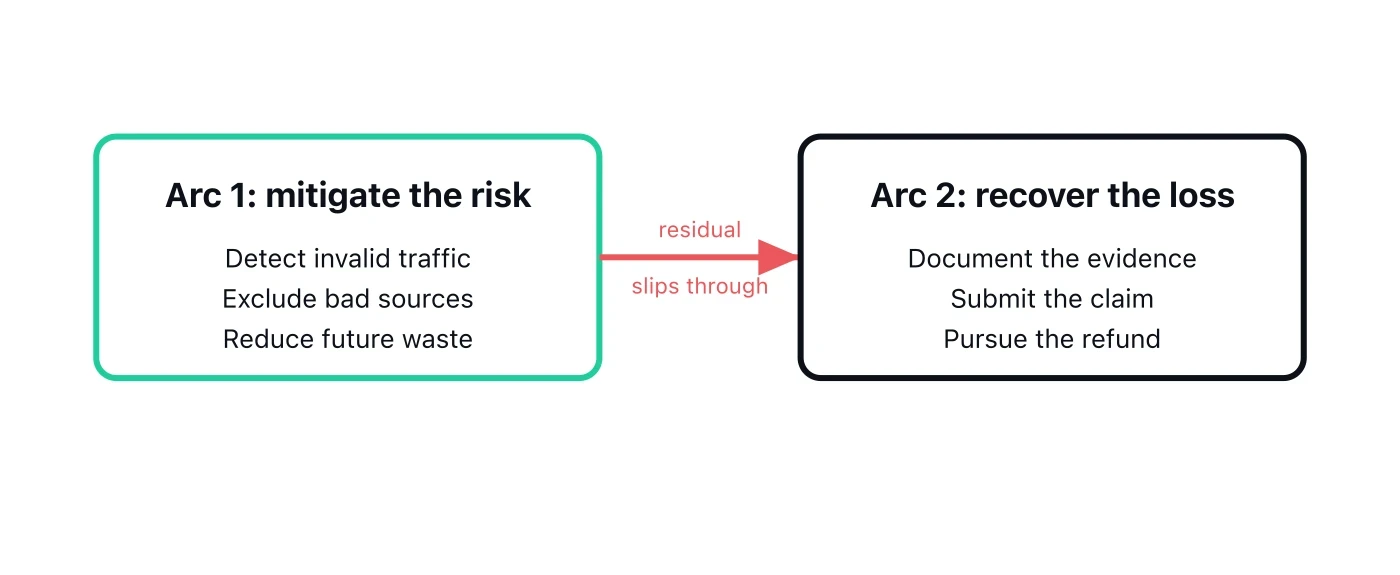
A crucial honesty point here. Detection reduces waste, but it never seals it completely. A brand-new bot's very first click can't be pre-blocked, because nothing's been seen of it yet. So some invalid traffic always slips through, no matter how good the filtering is. That's not a flaw to hide. It's exactly why the second arc, refunds, stays essential rather than optional.
fraud0 analyzed more than 2.5 million sessions to make invalid traffic visible in Uriach's campaigns, then removed 193,000 invalid ad clicks from targeting across Google and Meta to reduce future waste (fraud0, Uriach case study). Detection reduces but never eliminates exposure, which is why fraud0 pairs prevention with evidence-based refund recovery for the residual.
Source: fraud0 Uriach case study
How did ad spend recovery work for Uriach's refunds?
The second arc was recovery: where invalid activity was detected and documented, Uriach pursued ad refunds through the platform's process. This is the part competitors rarely own, and it's central to the fraud0 story. Refunds are evidence-based and process-driven, not automatic, so the documentation built during detection is what makes a credible claim possible.
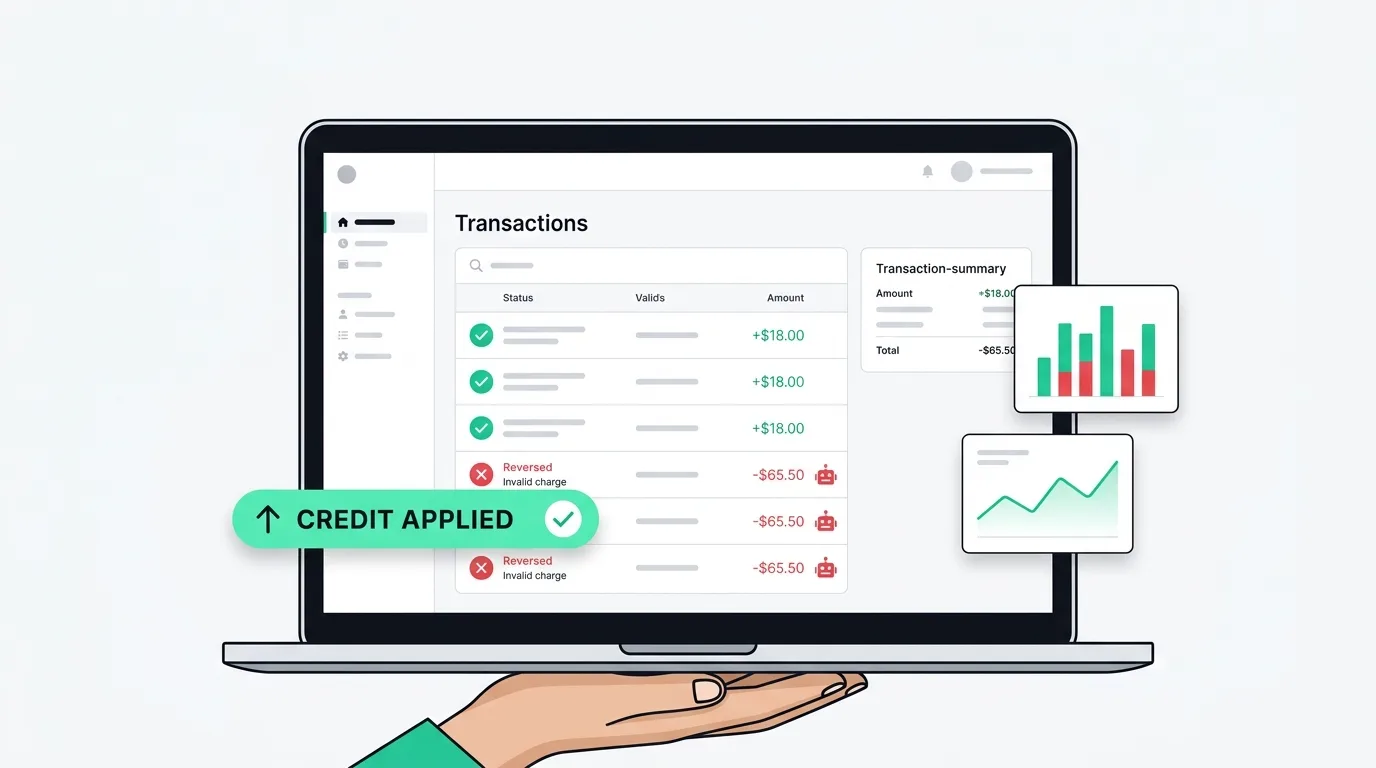
How it works in practice: detected invalid activity is documented as evidence, the claim is submitted through the relevant platform's review process, and the platform decides the outcome. For Uriach, this combined motion, clean up plus recover, secured €24.9K in refunds from Google Ads in just three months for invalid activity it had already paid for.
In Uriach's own words: "fraud0 saves me hours of manual placement cleanup. I can focus more on strategy and optimization. On top of that, we got €25k back from Google through refunds." That quote comes from Andrea Civan, Online-Marketing Manager at Uriach.
Two honest caveats matter here, and we won't bury them. First, this is a real result for one brand. It is not a promise that your campaigns will see the same outcome. Refunds depend on what invalid activity is actually detected and on each platform's review. Second, refunds typically return as account credit toward future spend, not a cash payout, so "recovered" usually means budget you get to use again rather than money back in the bank.
Where invalid activity was detected and documented, Uriach pursued evidence-based ad refunds and secured €24.9K from Google Ads in just three months for invalid activity already paid for. Refunds are not guaranteed, depend on detected activity and platform review, and typically return as account credit toward future spend rather than cash.
Ad-spend recovery for agencies applies this same two-arc model when one team manages many client budgets.
What were the results, and what do they mean for you?
The headline results are concrete. For framing, the underlying problem is large at industry scale. Juniper Research has estimated advertiser losses to ad fraud at roughly $84 billion for 2023, projected to keep climbing. Against that backdrop, here is what Uriach achieved, with prevention and recovery running together rather than as separate projects.
Result | Figure | Arc |
|---|---|---|
Sessions analyzed | 2.5M+ | Detect |
Invalid ad clicks removed from targeting | 193K | Mitigate |
Google Ads refunds secured (3 months) | €24.9K | Recover |
Budgets protected | Google and Meta | Both |
These are real outcomes for one brand, drawn from fraud0's Uriach case study. They are not a guarantee that your campaigns will see the same figures.
Source: fraud0 Uriach case study
What this case study proves is the mechanism, not a fixed number. It shows the full loop working end to end: detect invalid traffic, exclude it to cut future waste, document what's detected, and pursue recovery of past spend. Both arcs reinforce each other, because prevention shrinks the leak and refunds address the residual that slips through.
What it doesn't prove is that you'll see an identical outcome. We want to be plain about that. Your results depend on the invalid activity present in your own campaigns and on the platform processes you go through. The value of Uriach's story isn't a percentage to copy. It's evidence that the approach is real and repeatable as a method, even when the specific outcomes vary.
From our work with advertisers, the brands that get the most from this are the ones that treat it as a standing program, not a one-off audit. We found the same pattern with Uriach: run detection continuously, document consistently, and recovery becomes a routine motion rather than a scramble after the budget's already gone.
Uriach's case demonstrates fraud0's full recovery loop: fraud0 analyzed 2.5M+ sessions, removed 193K invalid ad clicks, and Uriach secured €24.9K in Google Ads refunds in three months. Industry context underscores the stakes, with Juniper Research estimating roughly $84 billion in advertiser losses to ad fraud in 2023. Individual outcomes vary.
The bottom line
Uriach's story is a clear, honest example of ad spend recovery done as a complete loop. fraud0 analyzed 2.5M+ sessions, removed 193K invalid ad clicks across Google and Meta, and Uriach secured €24.9K in Google Ads refunds in three months. Two arcs, run together, because prevention shrinks the leak and refunds recover what slips through.
Just as important is what this case study doesn't claim. It isn't a promise that you'll see the same numbers, and it doesn't suggest refunds are easy or universal. Outcomes depend on the invalid activity detected in your own campaigns and on platform processes, and recovered budget usually returns as credit, not cash.
If your dashboard looks fine but your results don't quite add up, that gap is worth investigating. fraud0 can help you see what's really behind your paid traffic and show you both paths forward: reduce future waste, and pursue recovery where invalid activity is found. Start by reading recover wasted ad budget to map both arcs for your own program, or contact our team to learn more about how we work and what we can verify in your campaigns.