Campaign Deep-Dive: A Single IP Address Accounted for 90% of Bot Sessions
Sep 9, 2025
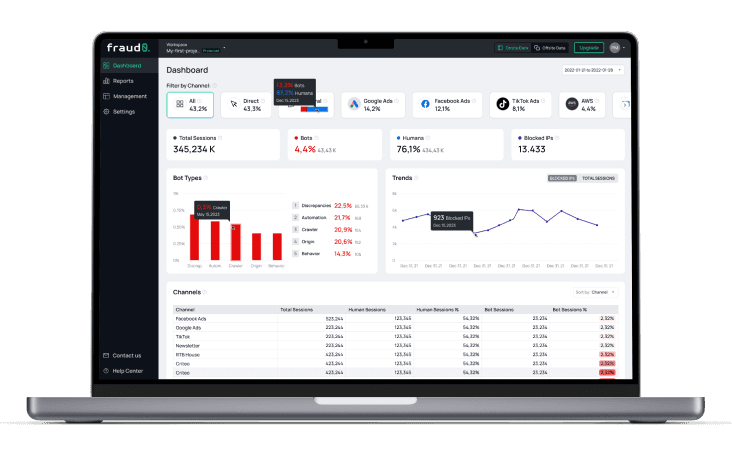
Understanding Invalid Traffic (IVT) is essential for optimizing digital marketing strategies and enhancing ad campaign performance. In this detailed analysis, we examine how IVT is distributed across various traffic sources, devices, and geographic regions for our customer’s campaign. The insights gained point to key areas that require attention and provide actionable strategies to boost traffic quality while reducing fraudulent activity.
The Origins of IVT: A Detailed Exploration of Traffic Sources
In our customer’s campaign, IVT accounted for 22% of the total traffic, signaling a clear need for better filtering and validation mechanisms. Certain channels exhibited particularly high IVT rates, while others demonstrated more reliable performance.
Direct Traffic was the biggest contributor to IVT, with a staggering 37% IVT rate, indicating a critical area for intervention.
Facebook Ads also showed a high IVT percentage, though with only 1.5K total sessions, its overall impact on traffic quality was relatively minor.
Other Referrers accounted for 20% of IVT, requiring further scrutiny and optimization to reduce this figure.
Optimization Tip: For high-IVT sources, it's critical to implement stricter filtering measures and refine targeting. Consider leveraging audience exclusions, IP blocking, and more precise content and placement targeting to ensure traffic quality.
Returning Bots: A Closer Look at Behavioral Patterns
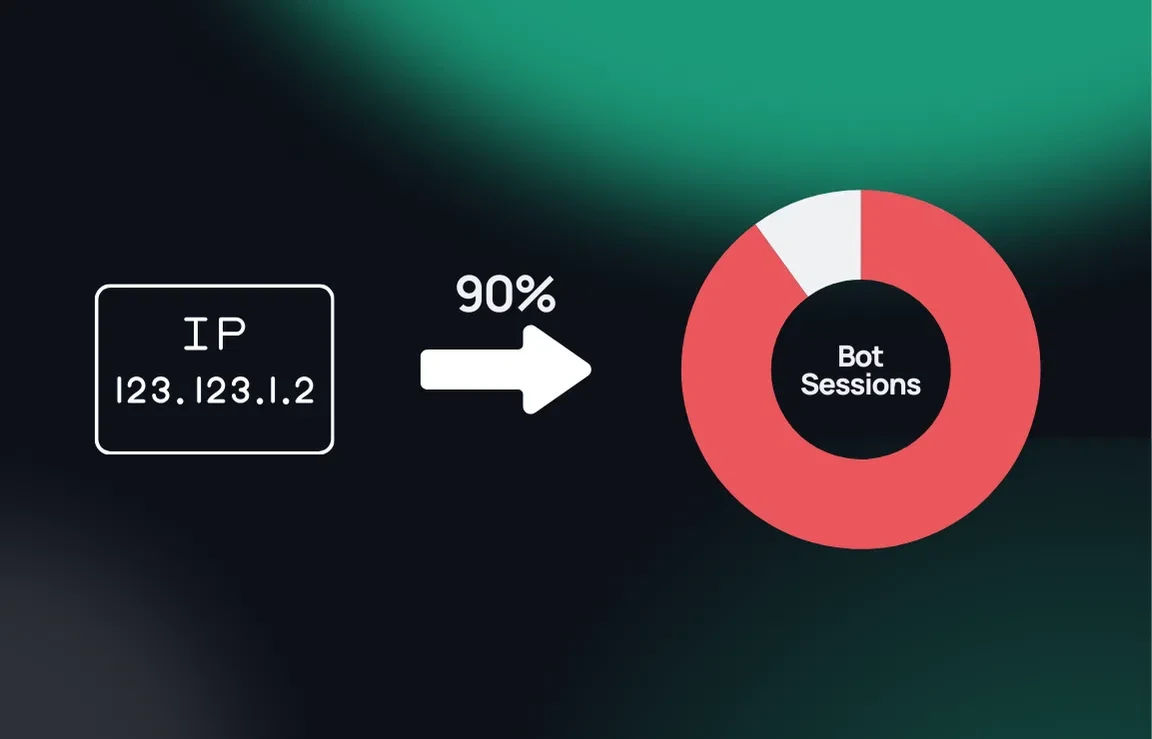
In our customer’s campaign, Google Ads experienced 1.9K bot discrepancies and 283 behavioral abnormality bot incidents over a 37-day period. Of these, 191 returning bot IPs generated 16.6K bot sessions. Even more concerning, 77% of these returning bot IPs also interacted with other paid channels such as DV360, Meta Ads, and more. Notably, a single IP, was responsible for over 15K (90%) of bot sessions across multiple channels.
Optimization Tip: To address returning bot traffic, enable IP blocking in your Google Ads account. This will help prevent these IPs from reappearing and skewing campaign results. Monitoring returning bots can help maintain clean traffic data.
Instagram Ads: High IVT and Optimization Suggestions
For our customer’s Instagram Ads campaigns, we observed high IVT rates ranging from 15-20%. Notably, 89% of visits from Instagram Ads went directly to the homepage, with a significant number of invalid clicks and quick bounces.
Optimization Tip: To optimize Instagram Ads performance, consider refining your content to improve user engagement. Additionally, disabling Audience Network (if enabled) and implementing placement blocking can help reduce invalid traffic and boost the quality of the interactions on your campaigns.
Mitigating IVT from Data Centers: A Major Source of Fraudulent Activity
A significant portion of IVT (with self-declared crawlers excluded) in our customer’s campaign originated from large-scale data centers. In fact, 72% of IVT came from a single data center, making it the primary source of fraudulent traffic. To combat this, we recommend implementing IP blocking, placement exclusions, and audience exclusions on paid advertising platforms. These actions will help focus campaigns on legitimate users, reducing exposure to invalid traffic sources. Ongoing monitoring of traffic sources is critical to identifying emerging threats and ensuring timely intervention.
Optimization Tip: Implement IP blocking and maintain exclusion lists in paid advertising platforms for known data center IPs. This will significantly reduce the chances of interacting with fraudulent traffic sources. Regularly update exclusion lists as new data centers are identified.
Conclusion: Ensuring Campaign Success Through Traffic Quality Management
This analysis highlights the importance of managing and monitoring traffic quality proactively. By addressing high-IVT sources, refining engagement tactics, and utilizing exclusion tools, advertisers can improve the quality of their traffic and minimize fraudulent activity. The concentration of IVT in data centers and high-risk regions further underscores the need for continuous monitoring and adaptive filtering. Adopting IP blocking, placement exclusions, and audience exclusions will help advertisers direct their budgets toward real users and reduce exposure to fraudulent traffic. Mobile optimization also remains an area that requires attention, as engagement challenges persist on this platform.
Optimization Tip: Regularly monitor traffic sources for emerging fraud patterns. Adjust exclusions, refine targeting, and take a proactive approach in keeping IVT to a minimum to ensure your campaigns are effective and focused on real user engagement.