If you’ve noticed your favorite Twitch streamer suddenly losing viewers this summer, you’re not alone. No, gamers didn’t suddenly swap out “Just Chatting” for Sudoku marathons. The real culprit? Twitch’s crackdown on viewbotting — fake accounts that inflate viewer numbers and engagement.
According to Forbes , Twitch quietly rolled out new code in July designed to detect bots and inauthentic engagement. The result? Thousands of creators saw view counts nosedive. Some reports suggest sitewide viewership dropped between 5% and 22% depending on the time of day.
So, what’s going on — and why should advertisers care?
What Exactly Is Viewbotting?
Think of viewbotting as bringing a crowd of mannequins to a concert. From afar, it looks like the place is packed. But when the lights come up, you realize no one’s actually clapping.
On Twitch, bots are used to:
- Inflate viewer counts (making a streamer look more popular than they are)
- Generate fake follows
- Artificially boost engagement metrics
It’s not just Twitch’s problem either. Instagram, TikTok, and YouTube all struggle with bots. TikTok alone reportedly removed 256 million bot accounts in 2022.
Why Viewbotting Hurts Advertisers
At first glance, inflated numbers might look harmless — more “eyeballs” should mean more reach, right? Not quite. Here’s the hidden cost for advertisers:
- Wasted Spend – Ads shown to bots don’t convert. Nazar Babenko of Steam Charts estimated fake viewers have already cost advertisers “millions.” Imagine paying for a Superbowl slot and realizing half the stadium seats are filled with cardboard cutouts.
- Skewed Metrics – Fake engagement makes it impossible to measure campaign performance. CTRs, CPMs, and ROAS become meaningless when your audience isn’t real.
- Brand Safety Risks – Bots cluster around shady streams or groups using third-party services. Brands could unintentionally show up in places that damage reputation.
- Creator Trust Issues – Advertisers may avoid Twitch altogether, pulling spend from smaller creators who rely on ad revenue to survive.
Twitch’s Defense (And Its Challenges)
Twitch insists advertisers aren’t billed for fake views, since they use a separate detection process for ad traffic. That’s reassuring on paper, but here’s the rub: viewbotting services evolve constantly. As Twitch upgrades its defenses, bot creators tweak their tactics. It’s a never-ending arms race.
Plus, perception matters. Even if Twitch guarantees advertisers won’t be charged for bots, news headlines about rampant fake engagement can erode trust. Big brands like AT&T, JP Morgan Chase, and Dunkin’ have already pulled ad spend from Twitch for unrelated reasons. This only adds more pressure.
Lessons for Advertisers
So, what should advertisers take away from all this?
- Don’t obsess over vanity metrics. Viewer counts can be gamed. Focus on engagement quality and conversion data.
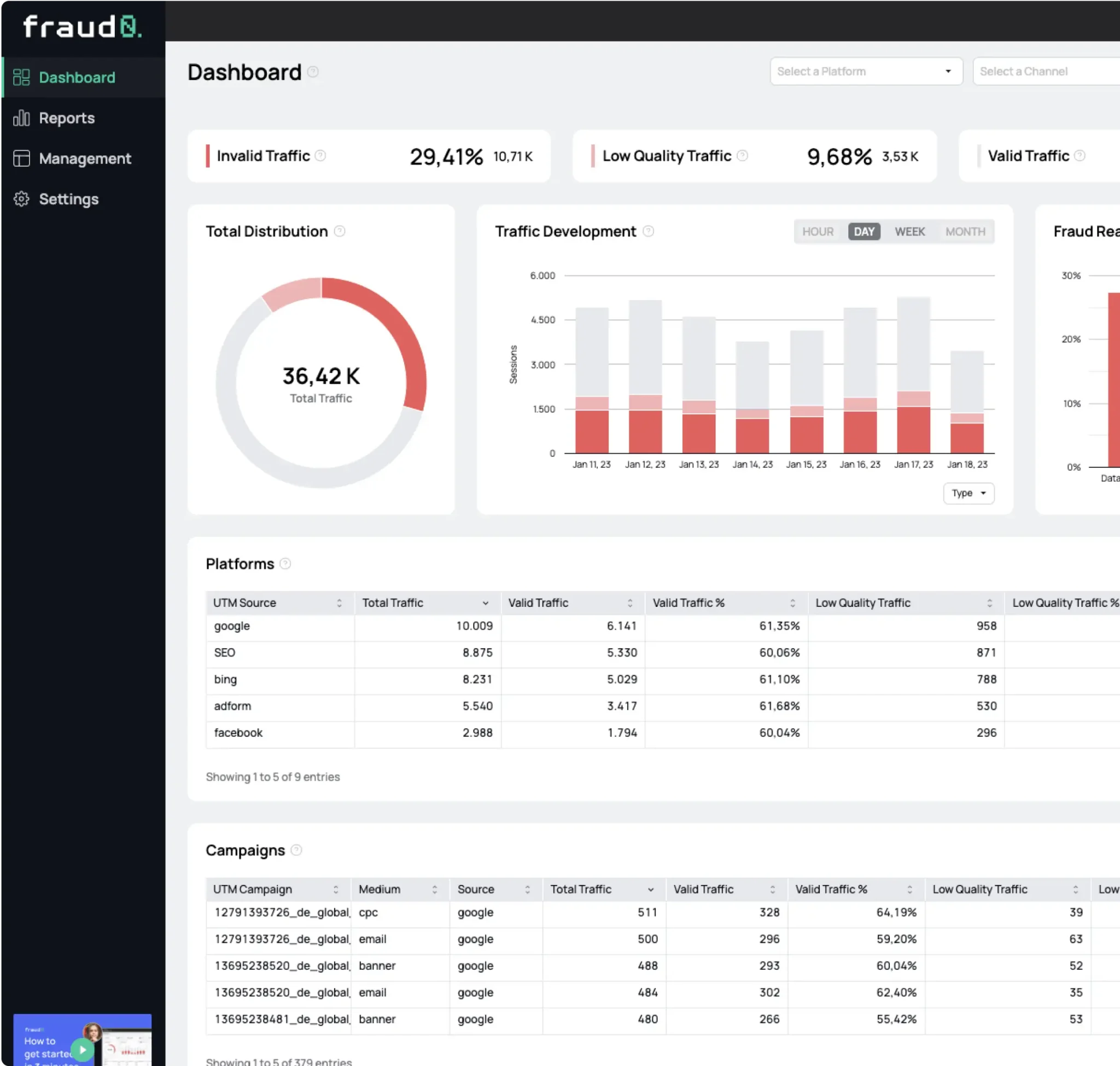
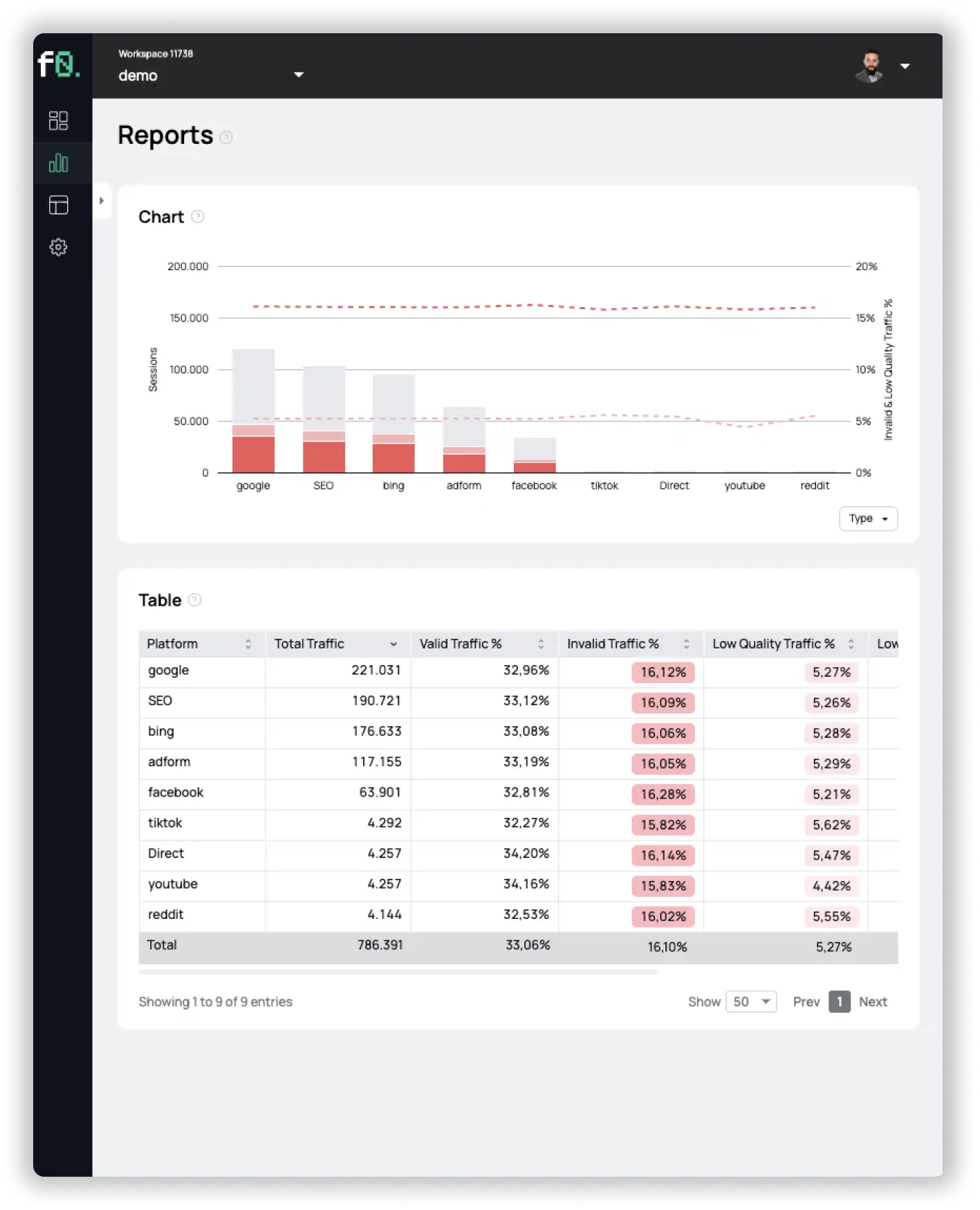
- Use independent verification tools. Platforms may promise accurate measurement, but fraud detection services (like fraud0 😉) add an extra layer of protection.
- Diversify spend. Don’t put all your budget in one channel. Spread across platforms to minimize risk.
- Ask tough questions. When negotiating ad deals with streamers or agencies, push for transparency around audience quality.
Final Thoughts
Twitch’s crackdown is a good step toward cleaning up livestreaming, but it also shines a spotlight on a bigger issue: digital advertising is still plagued by fake traffic.
Whether it’s bots on Twitch or fake clicks on display ads, advertisers need to stay one step ahead. Because at the end of the day, it’s not about how many people appear to be watching — it’s about reaching real humans who could become your next customer.
And that’s a game worth playing.